Posts tagged as:

black and white photography

Rosalind_Solomon_Photography

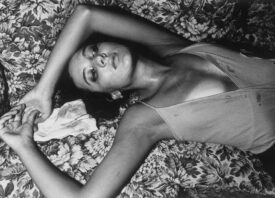
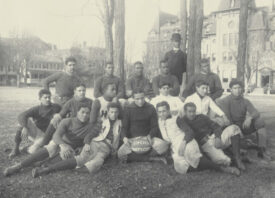
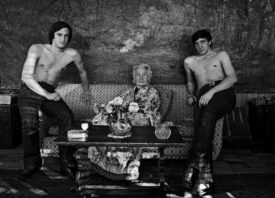
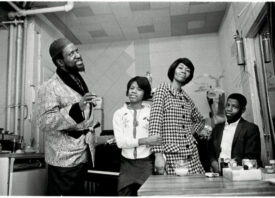
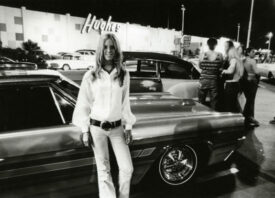
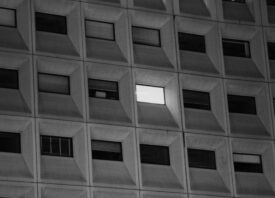
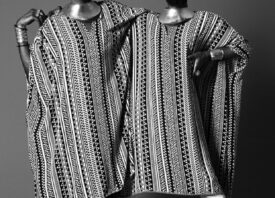
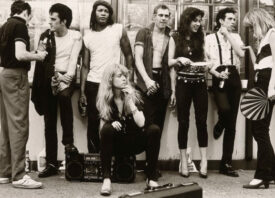
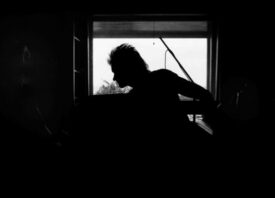
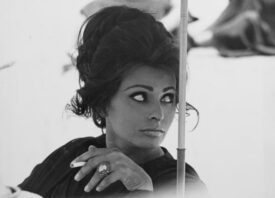
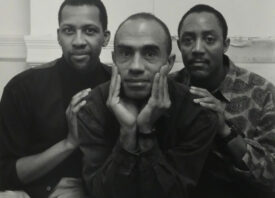
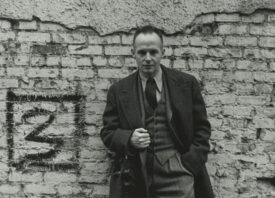
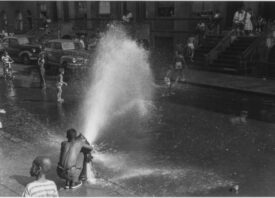
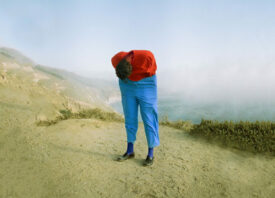
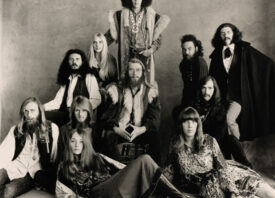
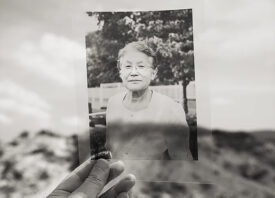
Born in 1930, Rosalind Fox Solomon began shooting in the late 1960s focusing most of her work on life at her home in Tennessee. “I had very little knowledge of the history of photography. Early on, I saw articles about Diane Arbus and I knew the work of Henri Cartier Bresson and Ansel Adams, but otherwise I cannot remember knowing about any other photographers. I think if I had lived in New York rather than in Tennessee, I never would have come to where I am today. I am still cowed when I see some other photographers’ exhibitions. I feel that it is best for me to wear blinders and keep drawing from within myself. Painting, film, theater, dance, music and reading inform and nourish my photography.”

In 1991 Jeff Rosenheim from the Met wrote a wonderful review of Solomon’s work, describing the vision behind her alternative photographs. “They tell lyrical, difficult stories each of which teaches us a lessen about life if we are attentive to the artist’s suggestive, magical language. If Rosalind Solomon stares into the face of illness, age, youth, organized religion and suburbia, it is not for its shock value, but just the opposite, for its restorative aspect.”

Solomon lives in NYC and is represented by Bruce Silverstein Gallery.  Her show, “Portraits in the Time of AIDS,” opens June 6, 2013, at the gallery.

Rosalind_Solomon_Photography

Rosalind_Solomon_Photography

Rosalind_Solomon_Photography

Rosalind_Solomon_Photography

Rosalind_Solomon_Photography

Rosalind_Solomon_Photography

Rosalind_Solomon_Photography

Rosalind_Solomon_Photography

Feature Shoot Contributing Editor Carolyn Rauch is the Deputy Director of Photography at Newsweek.

Wayne-Levin underwater photography

Wayne Levin captures all things ocean—freedivers, surfers, whales, dolphins, seals, sharks, rays, and shipwrecks—and that’s just a short list of his exquisite subjects. Exploring the mysterious depths of the underwater world has been an ongoing passion for the Hawaii-based photographer for more than 20 years, and he has done so working with black-and-white, a detail that seems to enhance the beauty and secrets of the sea.

Selected prints from Ocean Spirits are available through Clic Gallery.

Wayne-Levin underwater photography

Wayne-Levin underwater photography

Wayne-Levin underwater photography

Wayne-Levin underwater photography

Wayne-Levin underwater photography

Wayne-Levin underwater photography

Wayne-Levin underwater photography

Thomas-Patterson

Thomas Patterson photographs the final days of an Oregon printing press.

If you’re a photographer, you can now promote your new series, website, gallery show, recent assignment, etc. on Feature Shoot for an affordable price. Find out about becoming a Spotlight Photographer here.

Michael Wesley

When you hear the term “long exposure”, you probably don’t expect it to mean a long exposure process that takes 2-3 years to complete. But in the case of Berlin-based photographer Michael Wesely, a long exposure photo is quite a time commitment. With the help of different filters and an incredibly low aperture setting, Wesely captures the changing scenery of a city scape under construction. Open Shutter seem to literally capture time in these photos documenting the huge facelift undertaken on the MoMA between 2001 and 2004.

Michael Wesley

Michael Wesley

Michael Wesley

Kenneth-JosephsonKenneth Josephson’s vintage black and white work will be on display at Gitterman Gallery in New York from January 11 through March 16, 2013.

albert-watson-hitchcock gooseAlbert Watson’s “Vintage Photographs” are on view in New York at Hasted Kraeutler through January 19, 2013. Photo: ©Albert Watson

Harold-Feinstein Coney Island

Harold Feinstein: A Retrospective is the first career-spanning monograph of the American photographer, published this December 2012 by Nazraeli Press. Known as a master of black and white street photography, Feinstein was the youngest photographer to have his prints purchased by the Museum of Modern Art (by Edward Steichen) when he was only 19.

I often feel like I fell out of my mother’s womb onto the beach in Coney Island with a Nathan’s hot dog in my hand with the sounds of kids screaming on the Cyclone.—Harold Feinstein

Feinstein’s iconic photographs of Coney Island are at the core of the retrospective. Known for his love affair with the place, Feinstein captures the character and spirit found along the beach and boardwalk. The book also includes a selection of street photography, still lifes, nudes, and documentation of his time as a soldier in the Korean War.

A coinciding exhibition is currently on display at Panopticon Gallery in Boston through December 31st. A talk and book signing with Feinstein will be held on Monday, December 17th, 6-9pm at Aperture Gallery in New York.

Harold-Feinstein Coney Island

Harold-Feinstein Coney Island

Harold-Feinstein Coney Island

Harold-Feinstein Coney Island

Harold-Feinstein Coney Island

Harold-Feinstein Coney Island

All images © 2012 Harold Feinstein and excerpted from Harold Feinstein: A Retrospective

Daido Moriyama: In Pictures from Tate on Vimeo.

Casino-Pier-NJ Michael Massaia

Michael Massaia captures the aftermath of Hurricane Sandy on the Casino Pier in Sea Side Heights NJ. This photo shows Casino Pier as well as the Star Jet coaster slowly sinking to the bottom of the Atlantic ocean.

If you’re a photographer, you can now promote your new series, website, gallery show, recent assignment, etc. on Feature Shoot for an affordable price. Find out about becoming a Spotlight Photographer here.

Ron-English photography

There once was a time, before camera phones and Instagram, where photography was considered novel. At least legendary street artist Ron English thought so, which is why in the early 1980’s he took up the craft. “At the time I perceived it to be a younger art form, so I thought my odds of creating something original were greater,” said English.

Originality isn’t something English has struggled with though. For over two decades, English and his bold statements have cemented his place in the art world as one of the fathers of prankster art. He is known for “liberating” commercial billboards with his own messages, often mocking the corporate icons being advertised.

But before the illegal murals and “popaganda,” English studied photography in Texas. “The thing I liked most about photography was its versatility coupled with the lie inherent in the cameraman’s choices,” said English, who cites Diane Arbus and her self-portraits among his influences. “I wanted all intervention to end with the click of the shutter, leaving the print to be the truth about the lie.”

English often placed himself into unusual situations just to see what would unfold. “For me, my photographs were happenings for people who were in no way seeking out an art experience, and my camera was my passport into any situation.” English’s photos give the viewer some guessing room as to what exactly is going on. Before Photoshop, English was able to create illusion, depth and mystery.

Upon graduation from art school though, English realized that photography may not be the most profitable route, and so he turned to oil painting. However, photography is still a large part of his art process, even if it may be more internal now. “I now do photographs as studies for paintings, many of which could stand alone as photographs,” said English, who hasn’t given up the idea of reengaging the public through photography in the future. “I could wear a clown suit or some costume and shoot people on the street, I’m sure they would react differently than if I were wearing a business suit.”

Ron-English photography

Ron-English photography

Ron-English photography

This post was contributed by Feature Shoot editorial intern Jennifer Kaye.